How the Red Monkey Font Can Elevate Your Web Design
I was redesigning the homepage for a client’s new coaching website, aiming for a vibe that felt approachable and warm. The draft, using a standard sans-serif font for the hero headline, just wasn’t capturing that friendly, human touch. I started browsing display fonts, looking for something that could inject personality without sacrificing clarity. That’s when I found Red Monkey. The name alone piqued my interest, and the preview immediately confirmed it: this was a typeface with a story to tell.
Red Monkey for a Friendly and Casual Brand Identity
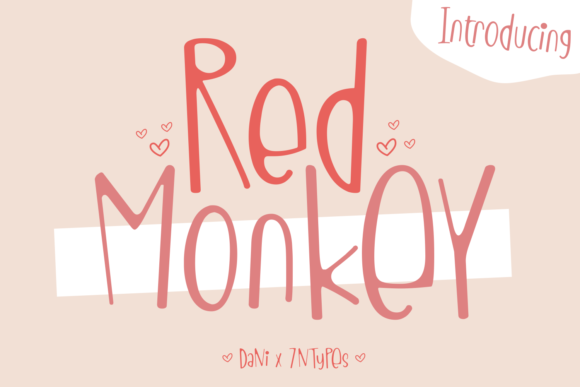
Red Monkey is a cute and casual display font with an incredibly friendly feel. From the moment I dragged it into my layout software, I could see its personality. The letterforms have a soft, rounded quality that feels inviting, almost like a handwritten note. It’s not overly whimsical or childish, but it carries a warmth that’s perfect for brands wanting to soften their digital presence. In my project, replacing the sterile headline with Red Monkey instantly transformed the page’s mood. The client’s message of personalized guidance suddenly looked more personal.
Testing Red Monkey on a Coaching Website Hero Section
My first practical test was in the hero section. I applied Red Monkey to the main headline, “Find Your Creative Path.” On a desktop view, it was striking—the font’s friendly character filled the space with optimism. I then checked the mobile layout, a crucial step for any web font. Its clear, open shapes remained perfectly legible even at smaller sizes, without any awkward glyphs that might break on different screens. This is a key consideration for any display font; it must perform across devices. Red Monkey held up beautifully, maintaining its charm without compromising readability.
Using Red Monkey Fonts for Instagram and Social Graphics
While my primary focus was the website, the client also needed cohesive assets for social media. The product description mentioning fonts for Instagram resonated deeply. I created a series of quote graphics and promotional banners using Red Monkey for the key text. The font’s casual style aligns perfectly with the visual language of platforms like Instagram. It feels native to the space—engaging and scroll-stopping without being overly formal. This seamless cross-platform application is a huge value. A brand can use Red Monkey for its website hero title and then for Instagram story headlines, creating a consistent and recognizable visual thread.
Red Monkey in Blog Redesigns and Editorial Headers
Another area I explored was the blog section of the site. Using a display font for article titles can significantly increase scannability and engagement. I set a few blog post headlines with Red Monkey. It created a delightful visual hierarchy, making each title feel like a friendly invitation to read more. For a blog aiming to build a community or share personal insights, this font can be a powerful tool. It’s important to note that for body copy, you’d pair it with a simple, neutral sans-serif. The contrast between the playful Red Monkey and clean body text ensures readability while preserving the distinctive brand voice.
Pairing Red Monkey with Other Fonts for Web Layouts
No font lives alone in a good design. Font pairing is essential. For the body text across the coaching site, I chose a versatile, geometric sans-serif. The clean lines of the sans-serif provided a stable foundation, allowing the Red Monkey display font to shine in headlines and call-to-action buttons without creating visual chaos. This pairing strategy works for many projects: boutique online stores, product landing pages, or portfolio sites. The key is to let the display font handle the emotional load—the initial greeting, the key offers—while a more utilitarian font handles the detailed information.
When assessing any font for web use, technical checks are vital. Before finalizing, I confirmed the Red Monkey font files included webfont formats (like WOFF2) for optimal performance and fast loading. I also checked its licensing for commercial use on client websites. These practical steps ensure your beautiful design doesn’t hit a technical or legal snag later.
Applying Red Monkey to Call-to-Action Buttons and CTAs
Call-to-action buttons need to be clear and compelling. I tested “Book a Session” and “Download the Guide” buttons using Red Monkey. The font’s friendly feel made the commands feel less like orders and more like encouraging suggestions. This subtle psychological shift can influence user engagement. On both light and dark button backgrounds, the font’s weight and clarity remained strong. For small button text, ensure you’re using a size that preserves the integrity of its unique shapes—a quick test across devices will verify this.
How Red Monkey Supports DIY Projects and Creative Brands
The mention of calligraphy scripts for DIY projects in the description points to a broader niche. This isn’t just for professional web designers. A creative entrepreneur building their own landing page for a craft course or a digital brand kit for a small business can leverage Red Monkey to achieve a polished, handcrafted aesthetic. Its accessibility as a display font means it can elevate DIY digital projects, making them look professionally designed without requiring deep typographic expertise. When used for key headers on a sales page for an online course, it communicates creativity and personal touch from the very first glance.
In the final stages of the coaching site project, viewing the full page with Red Monkey implemented was rewarding. The typography alone had shifted the site’s personality from generic to genuinely welcoming. It built brand trust through consistency and a carefully chosen emotional tone. For any web designer, UI designer, or creator building an online presence, the choice of a display font like Red Monkey is a strategic decision. It goes beyond decoration; it becomes a core part of the user experience, shaping how visitors feel and interact from the moment they arrive.
Whether your project is a portfolio homepage needing a memorable title, a product landing page requiring a joyful headline, or a blog redesign seeking warmer headers, testing a font with this specific friendly and casual character can open new design possibilities. Red Monkey offers that possibility—a tool to turn any creative idea into a more connected, polished, and engaging digital brand experience.